
The proven solution.
Leaf Springs have been meeting the highest demands in industry and the leisure sector for many years.
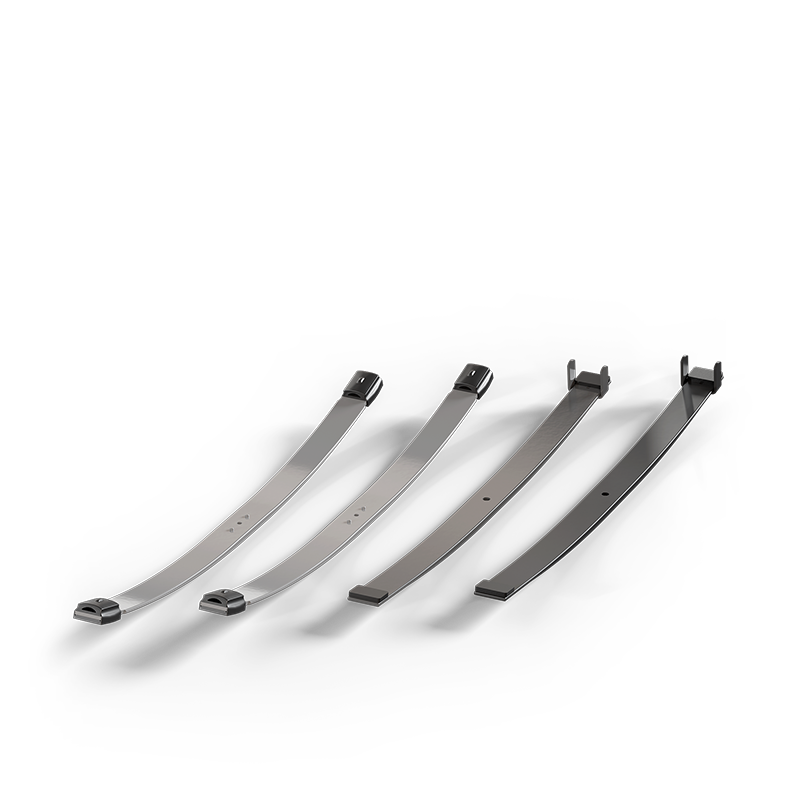
For many decades, manufacturers of transporters have relied on classic leaf springs on the rear axle. This principle is robust, economical and absolutely practical for use as a versatile base vehicle. However, standard leaf springs are designed to cover a broad spectrum of possible applications – from light transport tasks to changing loads in everyday commercial use. For motorhomes, ambulances or service vehicles with permanently heavy body structures, however, this compromise often leads to significant limitations. Under constant permanent load, the spring packs quickly fatigue, the rear of the vehicle sags and the suspension loses much of its effectiveness. The consequences range from noticeably hard impacts and unstable handling to increased strain on the interior fittings and transported equipment. Our auxiliary leaf springs address this issue directly: They not only supplement the weakened original springs, but also ensure that the rear is stabilised and driving quality is significantly improved – for a comfortable and safe driving experience.
- Economical OEM solution
- Restored suspension comfort
- Increased rear axle load capacity
- Stabilised vehicle rear
- Payload upgrade possible
Available for the following vehicle models:
-
Citroën Jumper, 1994 – 2006
This product is only compatible with certain technical requirements.
- Leaf Spring, Front-wheel drive
-
Citroën Jumper, from 2006
This product is only compatible with certain technical requirements.
- Leaf Spring, Front-wheel drive
-
Fiat Ducato, 1994 – 2006
This product is only compatible with certain technical requirements.
- Leaf Spring, Front-wheel drive
-
Fiat Ducato, from 2006
This product is only compatible with certain technical requirements.
- Leaf Spring, Front-wheel drive
-
Mercedes-Benz Sprinter, 1995 – 2006
This product is only compatible with certain technical requirements.
- Leaf Spring, Rear-wheel drive
-
Mercedes-Benz Sprinter, 2006 – 2018
This product is only compatible with certain technical requirements.
- Leaf Spring, Rear-wheel drive
- Leaf Spring, All-wheel drive
-
Mercedes-Benz Sprinter, from 2018
This product is only compatible with certain technical requirements.
- Leaf Spring, Rear-wheel drive
- Leaf Spring, All-wheel drive
-
Opel Movano, from 2021
This product is only compatible with certain technical requirements.
- Leaf Spring, Front-wheel drive
-
Peugeot Boxer, 1994 – 2006
This product is only compatible with certain technical requirements.
- Leaf Spring, Front-wheel drive
-
Peugeot Boxer, from 2006
This product is only compatible with certain technical requirements.
- Leaf Spring, Front-wheel drive
-
VW Crafter, 2006 – 2016
This product is only compatible with certain technical requirements.
- Rear-wheel drive
-
VW LT, 1995 – 2006
This product is only compatible with certain technical requirements.
- Rear-wheel drive
Compatibility may vary depending on the vehicle model, drivetrain and body type. Auxiliary leaf springs are only suitable for vehicles with a leaf-sprung rear axle.
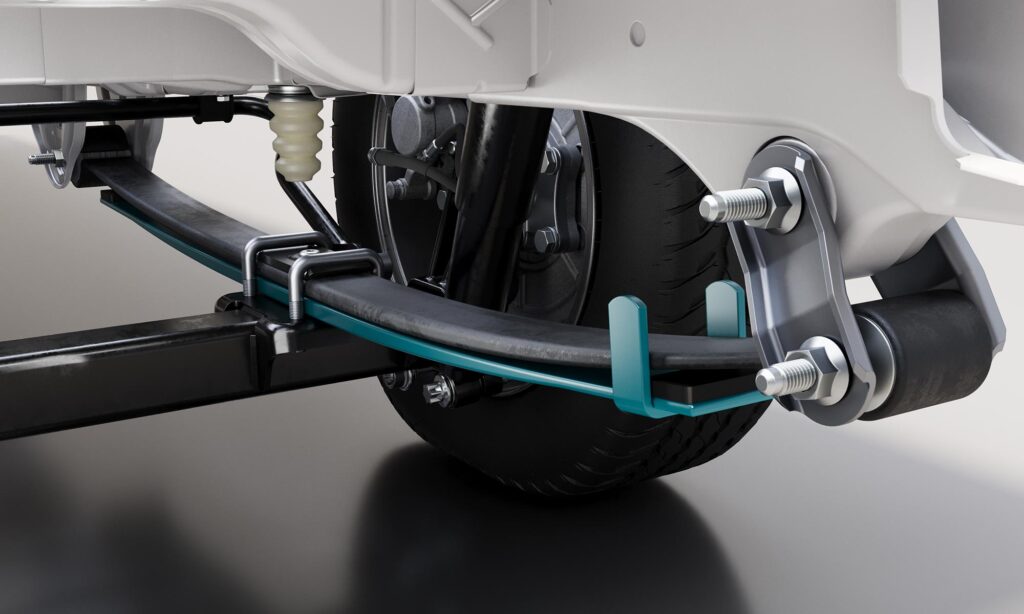
Additional leaf springs are a proven and economical solution for specifically reinforcing a standard suspension that has been designed too weakly. The additional spring leaf is mounted beneath the original spring and effectively supports it under heavy loads. This reliably absorbs load peaks, extends the available suspension travel and noticeably improves driving stability and comfort. Auxiliary leaf springs are predominantly fitted at the factory, but are occasionally also used as retrofit solutions.
Auxiliary leaf springs – cost-efficient OEM solution for heavy body structures.
Overloaded motorhomes and transporters particularly benefit from additional leaf spring systems, which stabilise the rear, optimise suspension travel and significantly increase driving stability. Manufacturers already prefer to use our Leaf Springs during the production of motorhomes to reliably cushion the high permanent loads of a body structure. At the same time, the solution offers a clear cost-benefit advantage: It noticeably increases stability, load capacity and driving behaviour – without adding complexity to the production process. High-quality hardened steels, rolled spring ends and precisely defined spring characteristics ensure precise, controlled rear axle suspension. A sagging spring pack – typical of heavy body structures – can be restored with an additional spring leaf, the rear raised and the clearly defined suspension travel reinstated. In heavily loaded vehicles, our auxiliary leaf springs also enable a technically tested payload upgrade for the rear axle and the permissible gross vehicle weight, provided that alloy wheels and tyres are designed accordingly. Depending on the vehicle type, the front axle can also be optimised: Optimised Coil Springs are used here to further improve suspension travel and driving comfort. The result is noticeably harmonious handling, greater stability and a secure road position, even under consistently high loads. For customers seeking even greater flexibility, auxiliary or full air suspension systems also offer additional comfort, safety and adjustment options through a variably adjustable ride height and an extended range of performance. At our Goldschmitt Technik-Centers, experienced specialists provide comprehensive advice and find the optimum solution for every vehicle.

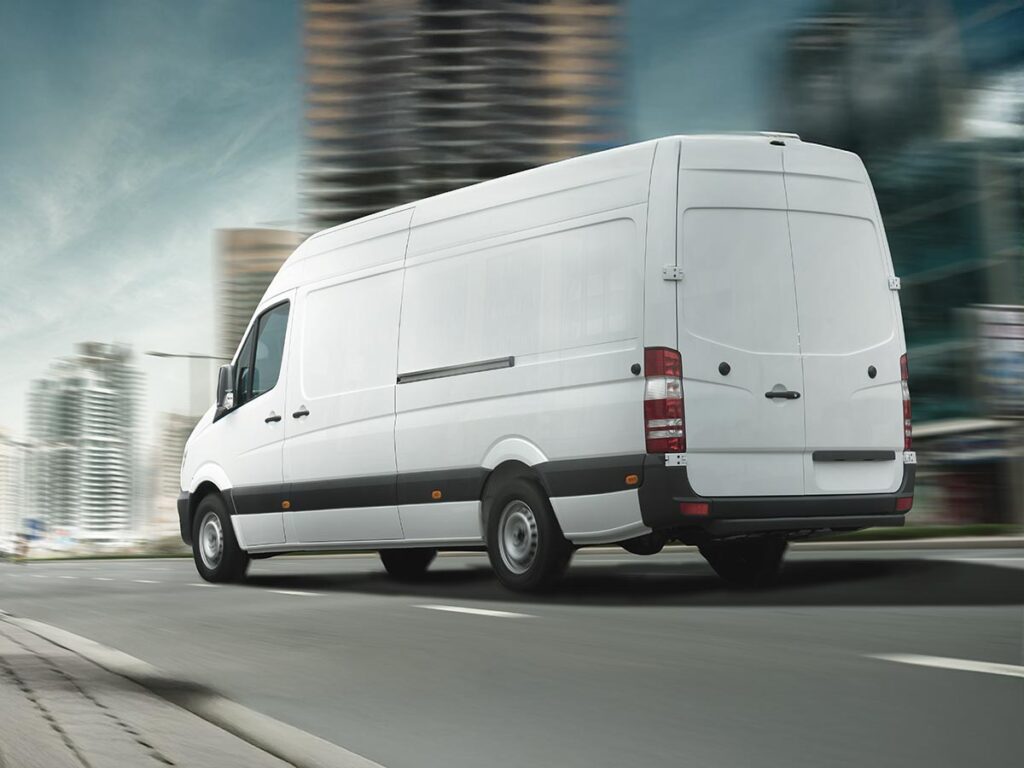
Auxiliary leaf springs are used as original equipment by many motorhome manufacturers to give heavily loaded transporter chassis more spring force and stability. They also provide the necessary load capacity in commercial applications – for example, in workshop or service vehicles with heavy equipment and shelving systems.
How leaf spring suspension has enabled driving comfort and stability for centuries.
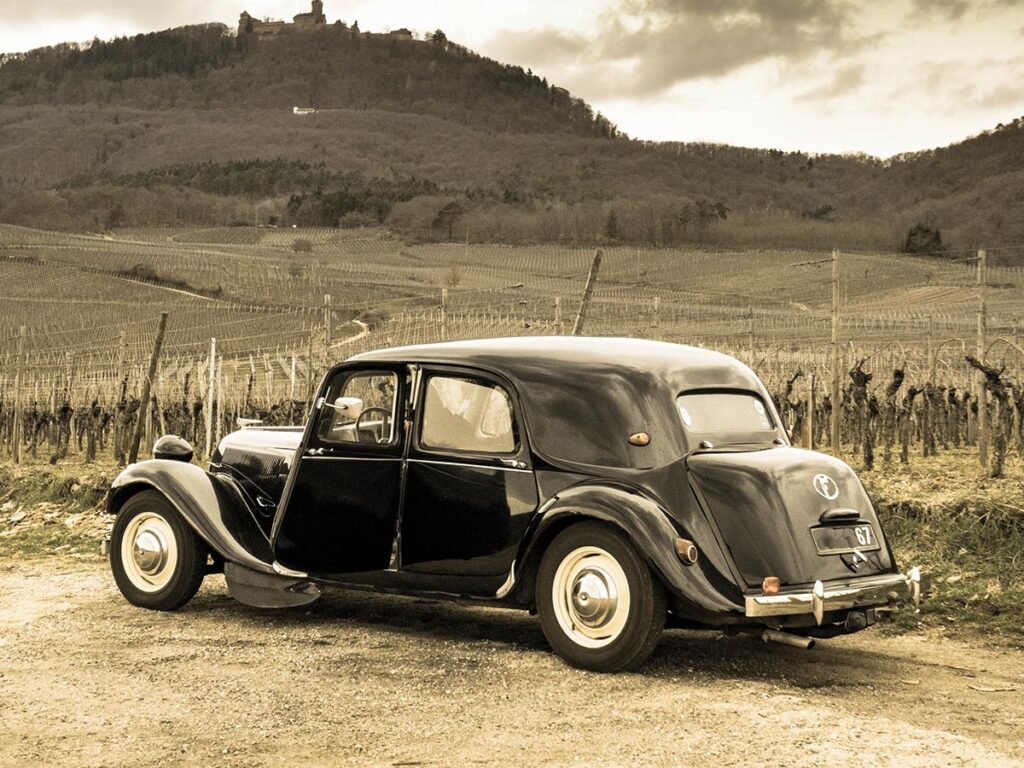
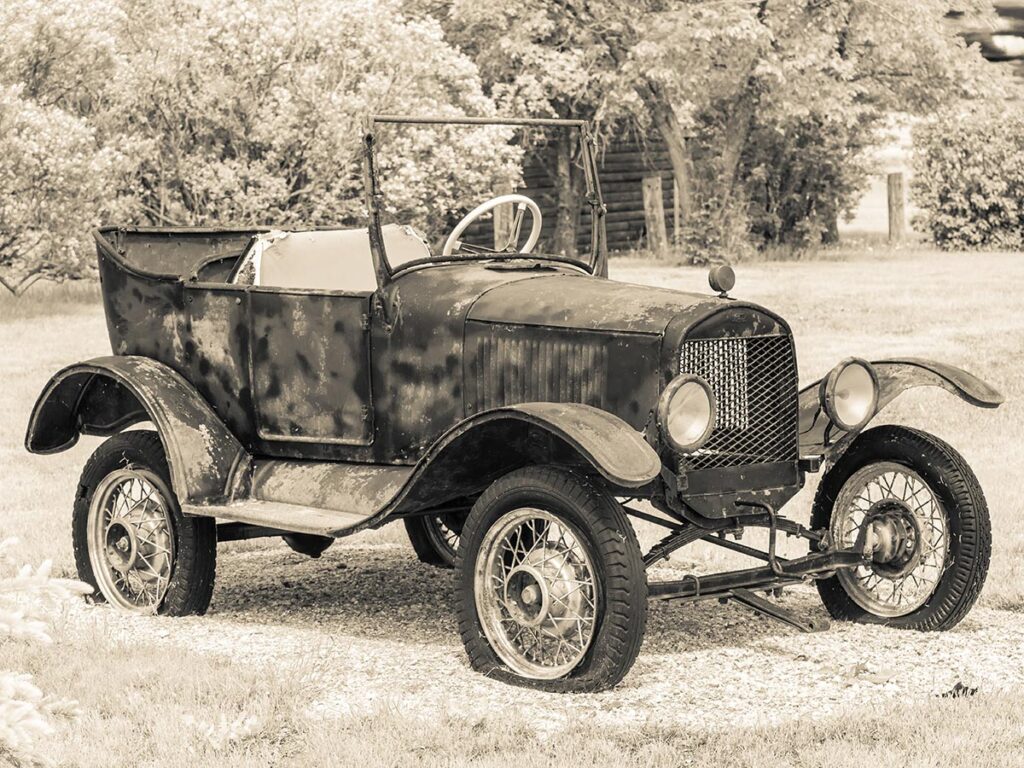
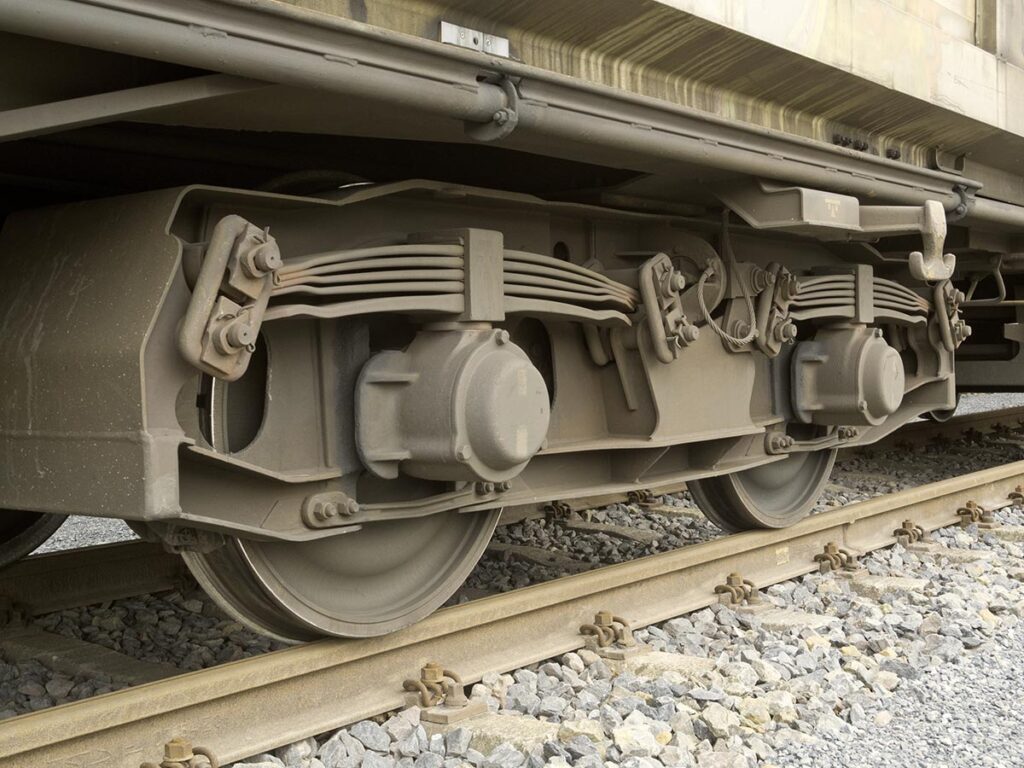
Leaf spring suspension has a remarkable technical tradition that began long before the development of modern commercial vehicles. Even in the earliest coaches and carriages, layers of springs stacked on top of one another ensured that passengers travelled in greater comfort and vehicles were more resilient – a decisive advancement at a time when roads were often poorly developed. This technology also remained indispensable in the pioneering years of the automobile: classics such as the Ford Model T and the Citroën Traction Avant relied on robust leaf springs to ensure stability, load capacity and reliability. This long history demonstrates how proven and versatile leaf spring construction is – and why it continues to play a central role in transport vehicles today, particularly when it comes to high axle loads, structural robustness and continuous stress.
You may also be interested in
Find a suitable
Goldschmitt partner near you
If travelling to one of our Goldschmitt Technik-Center locations is too far, our proximity search will help you find a suitable workshop nearby.