
When Weight Becomes dangerous.
Many motorhomes are overloaded in everyday use. Why this happens, what risks it poses—and how you can bring your vehicle back to a safe weight range.


Overloaded—faster than expected.
Many RV owners underestimate how quickly the gross vehicle weight rating is reached. Even just a few additional items of equipment, filled water and gas tanks, bicycles, or camping gear can cause the available payload to shrink rapidly. The situation becomes particularly critical when the vehicle already has a high curb weight due to standard equipment or aftermarket additions. Overloading usually goes unnoticed. What may sound like small individual items quickly adds up to a noticeable problem. The effects are clear: the vehicle responds more sluggishly, is more prone to swaying, and braking distances increase. In critical situations, it becomes harder to control. At the same time, you risk fines, restrictions on insurance coverage, and long-term damage to the chassis, axles, and tires. Many RV owners only realize how tight their weight allowance actually is—or that they’re already driving with an overload—when they have their vehicle weighed. You can quickly find out for sure. At Goldschmitt Technik Centers, you can have your vehicle weighed for free. Testing centers such as TÜV or DEKRA, as well as many Raiffeisen stores and landfills, also offer vehicle scales.
When Payload Becomes a Risk.
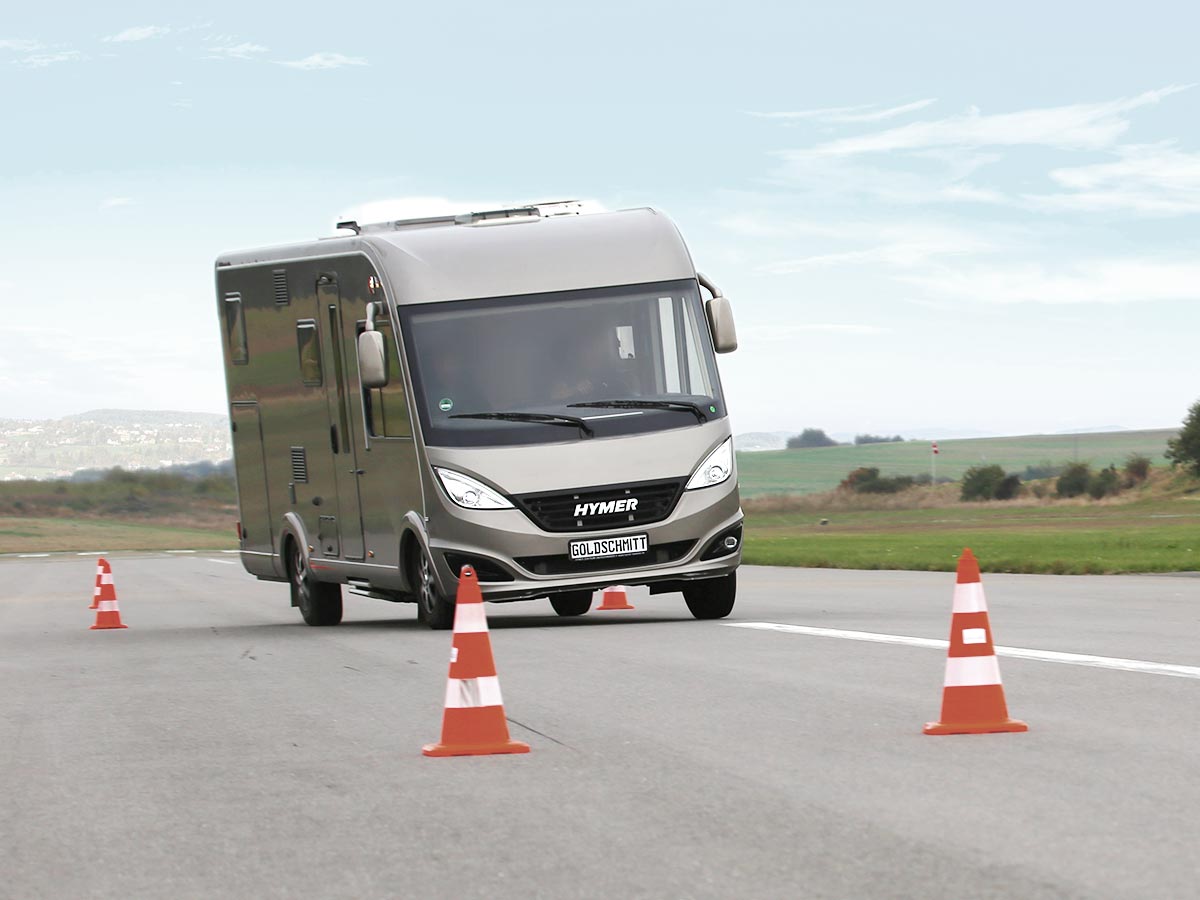
Overloading rarely happens all at once. Much more often, it creeps up unnoticed with every additional piece of equipment. A full water tank, gas cylinders, e-bikes with their racks, and all the accessories that are simply part of the journey quickly add up to a critical total weight. What’s particularly tricky is that many of these factors aren’t adequately factored into the original payload. What initially sounds like just a few kilograms more noticeably changes the vehicle. The weight shifts rearward, the front axle is relieved of load, and the steering loses precision. Braking distances increase, and handling becomes less stable. Tires also increasingly reach their load limits, especially on long trips and in high temperatures. Over time, overloading takes its toll. The suspension, frame, and body are subjected to greater stress over the long term, wear and tear increases, and costly damage is often only a matter of time. With the right suspension solutions and a load-capacity upgrade from Goldschmitt, you can address this issue head-on. The technical reserves are specifically expanded so that your motorhome remains safe, stable, and reliable even with a heavier load.


The legal and regulatory consequences of overloading.
Overloading is not only a safety risk but also a legal issue. Depending on the extent of the overloading, you may face fines, warnings, or points on your driving record. The consequences can be even more serious in the event of an accident: Many insurers classify driving an overloaded motorhome as gross negligence, which can lead to significant restrictions on insurance claims. The vehicle’s operating permit may also be at risk if axle loads are exceeded or the vehicle is no longer operated within the permissible limits. This applies not only to recreational drivers but also to commercial users such as service vehicles, municipal transporters, or emergency medical vehicles. These vehicles often carry heavy additional loads and rely on absolute reliability. A load-capacity upgrade helps minimize these risks by technically reinforcing the chassis, creating load reserves, and ensuring that the vehicle remains stable and safe even under heavy loads.